

The Stoic Dichotomy of Control: A Practical Guide for Overthinkers
The modern overthinker is a tragic figure, exhausted by a war that cannot be won. We lay awake in the dead of night, desperately trying to mentally engineer the future. We replay past conversations, attempting to rewrite history through sheer force of will, and we obsess over the unreadable minds of others. This mental pacing is not preparation; it is a profound misuse of human energy. We are trying to hold back the ocean tide with our bare hands, drowning in a sea of anxieties we were never meant to govern.

Over two millennia ago, a former slave named Epictetus forged a philosophical weapon designed specifically to sever these chains of anxiety. Having endured the absolute deprivation of physical freedom, he recognized that true liberty is entirely psychological. He articulated a principle so simple, yet so brutally effective, that it remains the cornerstone of cognitive resilience today: the Stoic dichotomy of control.
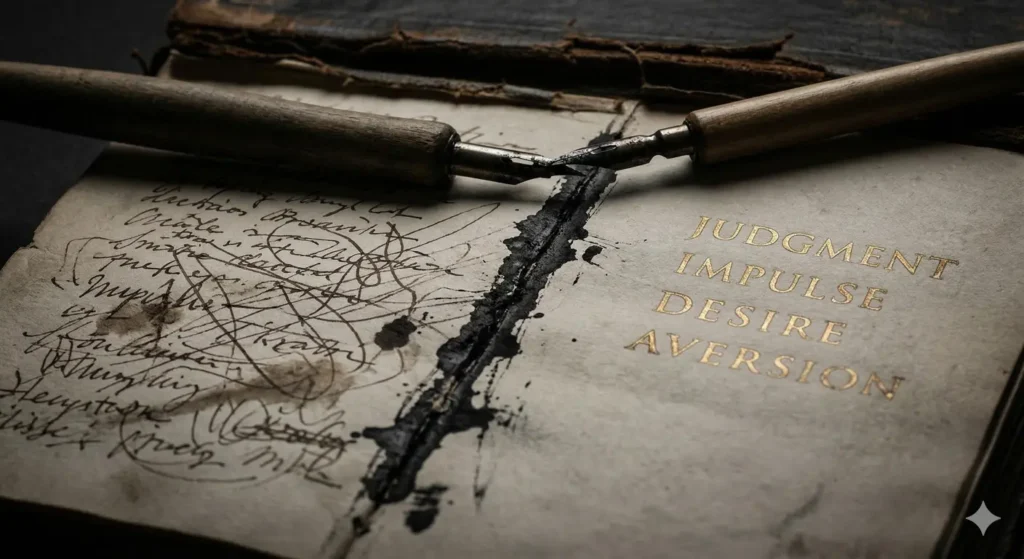
The dichotomy demands a ruthless, uncompromising division of reality into two distinct categories. On one side are the things completely outside of our command: the economy, the weather, the cruelty of strangers, our reputation, and our ultimate mortality. On the other side is the exceedingly narrow, but entirely sovereign, territory we actually own: our own beliefs, our deliberate judgments, our desires, and our actions.
When overthinkers blur this line, they hemorrhage their mental peace into the void of the uncontrollable. By demanding that the external world conform to our delicate preferences, we set ourselves up for perpetual devastation. Epictetus taught that suffering is not caused by the things that happen to us, but by our delusional belief that we could have controlled them in the first place.
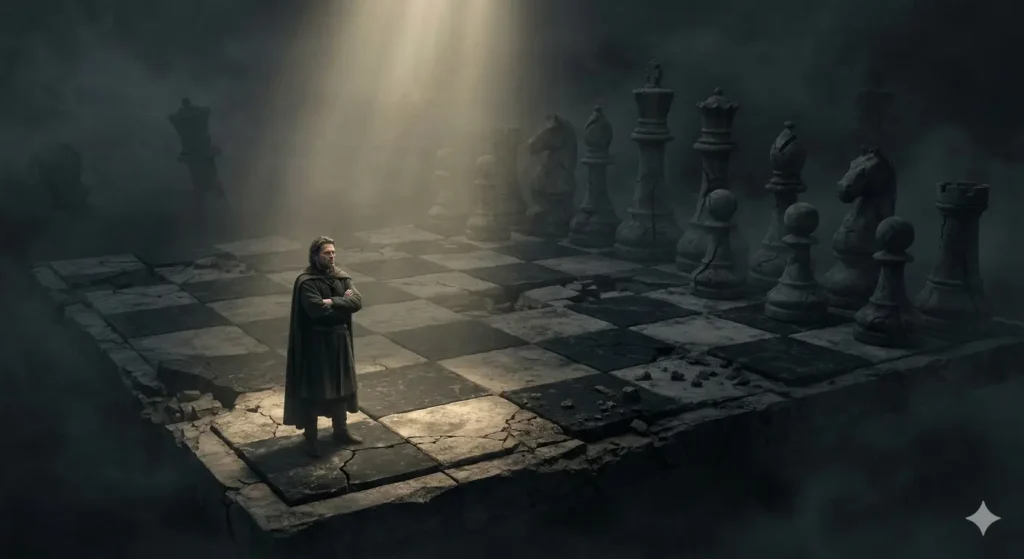
To break free from the paralysis of overthinking, you must execute this philosophical divide daily. When you find your mind spiraling into catastrophic ‘what ifs’, you must force a hard stop and ask: Is this within my absolute control? If the answer is no, it must be discarded without hesitation. Embracing this practice requires a willingness to face the harsh truths of Stoicism, acknowledging that the universe is indifferent to your anxieties.
The Stoic dichotomy of control does not make you passive; it makes you lethal. By completely withdrawing your energy from the unwinnable battles of external fate, you redirect the entirety of your focus to the only place it matters—building the impenetrable fortress of your own mind.
Explore our
FaceBook: @wevereleftoff.offical
İnstagram: @wevereleftoff.offical
Youtube: @wevereleftoff.offical